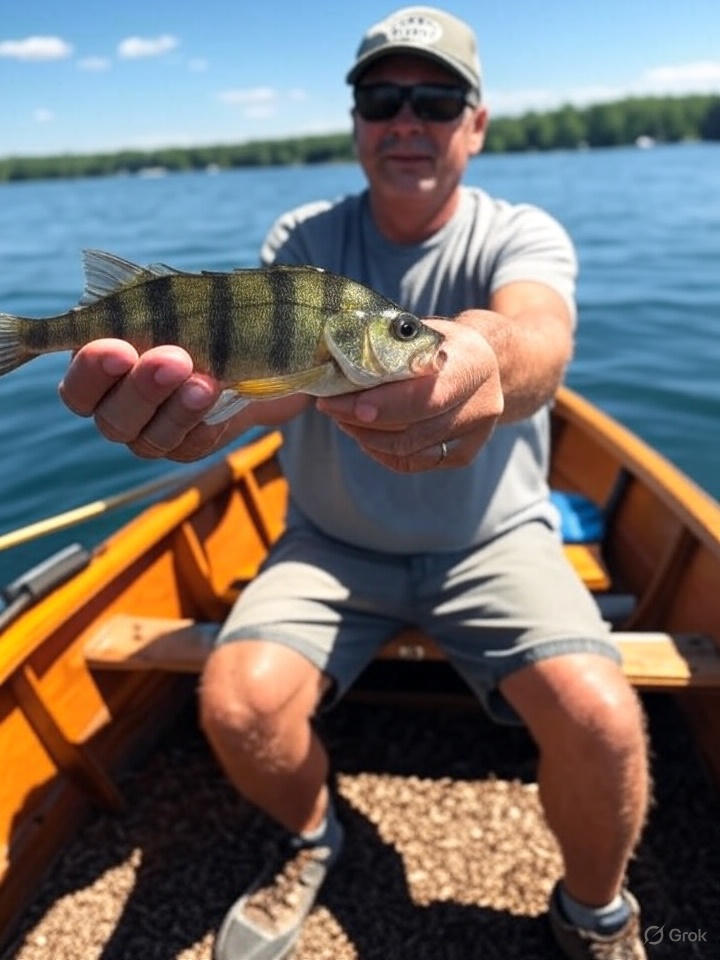
 When it comes to freshwater fishing, few experiences are as rewarding and exciting as catching big perch on Lake Michigan. These golden-hued fish are scrappy fighters, delicious table fare, and plentiful in the right conditions. If you’re looking to land a cooler full of slab-size perch, booking a charter out of Saugatuck, Michigan, is one of the best ways to do it. Whether you’re a seasoned angler or a curious beginner, this guide will walk you through the most effective rigs, bait options, and tactics used by charter captains to consistently target jumbo perch in Lake Michigan.
Why Fish for Perch on Lake Michigan?
Perch fishing on Lake Michigan—especially from the port of Saugatuck—is an ideal pursuit for families, beginners, and experienced anglers alike. These fish gather in large schools, and once you locate them, fast action often follows. From May through September, the nearshore waters around Saugatuck can produce epic perch bites.
Unlike deepwater trolling for salmon or lake trout, perch fishing is a more hands-on, light-tackle affair. You’ll feel every nibble and get to actively work the bait. Plus, with a generous daily bag limit (35 perch per person in Michigan), a few good hours of fishing can fill your cooler.
Let’s dive into the nuts and bolts of what makes a perch charter out of Saugatuck so successful—starting with the rigs.
Best Perch Rigs for Lake Michigan
One of the most important aspects of catching perch on Lake Michigan is choosing the right rig. The right setup not only presents bait in the strike zone but helps you detect subtle bites and avoid tangles. Here are the most effective rigs used by local charter captains:
A. Perch Rigs (aka Crappie Rigs or Spreaders)
What It Is:
A classic two-hook rig tied with dropper loops or wire arms. The sinker is placed on the bottom with hooks suspended above it. Often pre-tied and available at local tackle shops.
Why It Works:
Perch rigs allow anglers to present two baits at different depths simultaneously. These are deadly when fish are hovering close to the bottom. You can also quickly swap out sinkers depending on wave action or depth.
When to Use It:
Calm to moderately choppy conditions when fish are tightly grouped near the lakebed.
Tackle Tips:
Use size 4–8 Aberdeen or octopus-style hooks. A ½ to 1-ounce bell or pyramid sinker provides enough weight to stay vertical in light currents.
B. Drop-Shot Rigs
What It Is:
A finesse setup where a single hook is tied about 12–18 inches above the sinker, allowing bait to hover just off the bottom. The hook is usually tied using a Palomar knot with the tag end run back through the eye.
Why It Works:
This setup offers excellent bait presentation and bite sensitivity. It’s particularly effective when perch are suspended just off the bottom or holding tight to isolated structures.
When to Use It:
When fish are a little finicky and you want to present bait naturally. Also works well when vertically jigging over known schools.
Tackle Tips:
Pair with a 6–7 foot medium-light spinning rod and 6–8 lb test fluorocarbon leader. Use a small octopus hook and a ¼–½ oz drop-shot weight.
C. Slip Bobber Rig
What It Is:
A rig where your bait is suspended at a precise depth using a bobber that slides up the line and stops at a pre-set bobber stop.
Why It Works:
Ideal for fishing over rocky patches, weed edges, or sunken timber where keeping the bait off snags is critical. The visual bite detection is great for novice anglers.
When to Use It:
Best in calm waters or when fish are off bottom in 10–20 feet of water.
Tackle Tips:
Use light wire hooks and small live bait for best results. Keep the leader short and match the bobber size to your weight and bait.
2. Best Bait for Big Lake Michigan Perch
While perch aren’t especially picky, certain baits consistently outperform others on Lake Michigan. Your charter captain will typically have the most effective bait ready for you, but here’s what you need to know.
A. Live Minnows (Emerald Shiners)
Why They Work:
Minnows are perch candy. Their natural scent and movement are irresistible. Emerald shiners are especially effective due to their silvery flash and availability in local waters.
How to Use Them:
Hook them through the lips or just behind the dorsal fin for maximum movement. Use live bait with a perch rig or drop-shot for best success.
Pro Tip:
If the action slows, pinch the tail off to release more scent into the water.
B. Wigglers (Mayfly Larvae)
Why They Work:
Wigglers are a perch favorite during the summer months. Their squirmy movement mimics natural prey found on the lakebed.
How to Use Them:
Thread one or two onto a small hook. Use lighter tackle to feel their subtle bites.
When to Use:
Late spring through early summer, especially when perch are feeding on invertebrates near the bottom.
C. Soft Plastics and Imitation Baits
Why They Work:
When perch are in aggressive feeding mode, soft plastics like micro tubes, twister tails, and imitation minnows can outfish live bait.
How to Use Them:
Jig slowly near the bottom. A drop-shot rig with a Gulp! Minnow or similar bait can be deadly.
Pro Tip:
Scented plastics, like Berkley Gulp!, can match or even outperform live bait during certain times of the season.
3. Lake Michigan Perch Tactics from the Port of Saugatuck
With the right rig and bait, the final piece of the puzzle is technique. Your charter captain will handle a lot of this for you—positioning the boat, locating the fish, and providing gear—but understanding the tactics makes the experience more rewarding.
A. Locating the Fish
Key Habitats:
- 20–50 feet of water near the mouths of rivers (like the Kalamazoo River).
- Rocky reefs, weed beds, and gravel flats.
- Drop-offs and submerged structure.
Your captain will use sonar and GPS to identify active schools. Schools may roam, so don’t be surprised if the captain moves frequently early in the trip to locate a hot bite.
Pro Tip:
Perch often school by size. If you’re catching small fish, relocating may be necessary to find the jumbos.
B. Vertical Jigging
This is the most common method used on a charter. Anglers drop their baited rigs directly beneath the boat and jig subtly. The idea is to keep the rig vertical and close to the lakebed.
Steps:
- Drop your rig until you feel the weight hit bottom.
- Reel up just slightly (6–12 inches) to keep your bait in the strike zone.
- Gently jig with 2–4 inch rod twitches.
- Pause frequently to let the bait settle.
- Set the hook quickly if you feel even the slightest tap.
C. Dead-Sticking
When perch are finicky, sometimes the best tactic is no movement at all.
Steps:
- Drop bait to the bottom.
- Let it sit perfectly still.
- Watch your rod tip closely—often the bite will be a subtle tap or twitch.
Dead-sticking works especially well with live minnows or wigglers on calm days when perch are shy.
D. Doubles and Triples
Using two-hook rigs makes it possible to catch multiple fish at once. When the bite is hot, you may pull up two perch at a time.
Tips:
- Always keep your line vertical to avoid tangles.
- Use a firm but steady lift when you feel weight.
- Don’t let the fish flop around on the deck—get them in the cooler quickly and rebait.
4. What to Expect on a Saugatuck Perch Charter
Fishing with a professional charter out of Saugatuck offers several advantages that can turn a good day of fishing into a great one. Here’s what to expect:
A. Knowledgeable Captain
Your captain has decades of local experience and knows the latest perch patterns and productive areas. That means less time searching and more time catching.
B. Top-Notch Gear
Forget rummaging through tackle boxes. Your charter will provide quality rods, reels, rigs, bait, and even fish finders—all tailored for Lake Michigan perch.
C. Comfortable Boat Access
Fishing from a charter boat means easy access to deeper water, better fish, and greater comfort—especially when winds make shore fishing difficult.
D. Clean and Bag Service
Most charters offer fish cleaning and bagging after your trip, so you leave with a ready-to-cook cooler of delicious perch fillets.
5. When’s the Best Time to Go?
In the Saugatuck area, perch fishing peaks between late May and early September, with the hottest action typically in June and July. Water temps, wind direction, and food availability all play roles, so booking with a captain who monitors daily conditions ensures your best chance at success.
Weather Tips:
- Morning trips often provide calmer water and better action.
- Post-storm days can be productive once water clarity improves.
- Consistent wind from the same direction for a few days usually signals stable conditions.
Perch Fishing Made Easy
Perch fishing on Lake Michigan from the port of Saugatuck combines the thrill of light-tackle action with the reward of a fresh fish fry. Whether you’re out with your kids for their first catch or chasing a cooler full of jumbos with friends, knowing how to rig up, bait effectively, and work your rod properly will turn your charter into a story-worthy adventure.
Booking a charter helps you skip the trial and error and go straight to the fun. From expertly tied rigs and fresh bait to finding fish and coaching your technique, a perch fishing trip from Saugatuck offers unmatched value, fun, and success.
So what are you waiting for? Grab your sunglasses, bring a cooler, and prepare for a day of rod-bending, perch-pulling fun on the big waters of Lake Michigan.